Free samples
Recieve 2 free samples with orders over $50. Simply use the code at checkout.
SAMPLESALE

The ZONABLÜ Journal
October 02, 2026
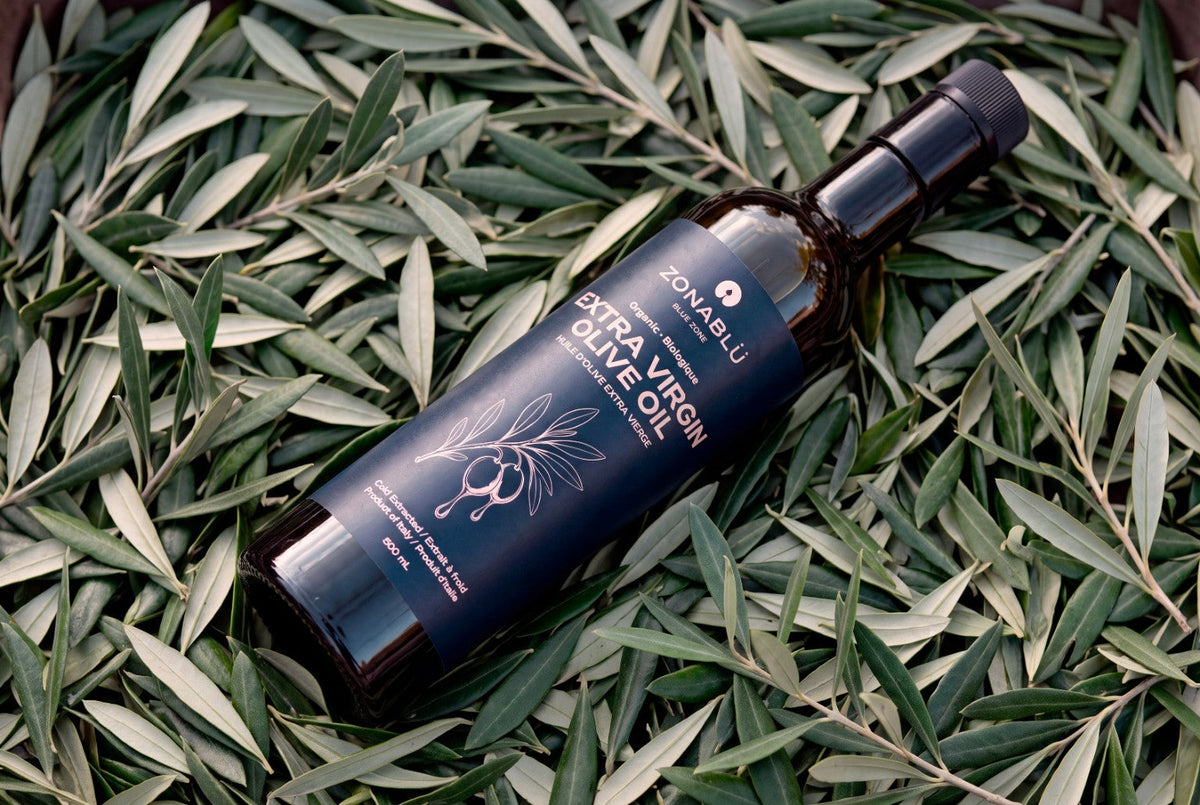
621 mg/kg is a number worth understanding, not worshipping. Polyphenols are naturally occurring compounds in olive oil that influence bitterness, pungency, aroma and oxidative stability.
Phenolic concentration can vary with cultivar, harvest timing, climate, orchard conditions, extraction and storage. A laboratory result gives the conversation a measurable starting point.
European rules recognise a specific olive-oil health claim involving hydroxytyrosol and its derivatives. The authorised condition is commonly expressed as 5 mg per 20 g of oil, equivalent to 250 mg/kg for the qualifying compounds. Importantly, that is not automatically the same thing as a total-polyphenol measurement; the analytical method and compounds reported matter.
Our current harvest reports 621 mg/kg polyphenols. We present that as a laboratory quality metric and publish the certificate rather than turning it into a medicinal promise. Food is food; a strong analytical result is valuable because it tells you more about what you are buying.
High-phenolic oils can show green fruit, bitterness and peppery persistence. Those sensations are part of the sensory language of fresh extra virgin olive oil.